
A junior mining wallflower has come out of the shadows to make a mark on critical issues in the North West Queensland mining debate.
SMAC development director Hamish Collins has presented at the Townsville Enterprise’s ‘Secure the Future’ 2025 Mining and Critical Minerals conference.
Main image: Sulphur prill
SMAC has ground on the Great Northern Railway about 7km east of Cloncurry where it has plans to build a sulphur burner followed by a roaster to produce sulphuric acid.
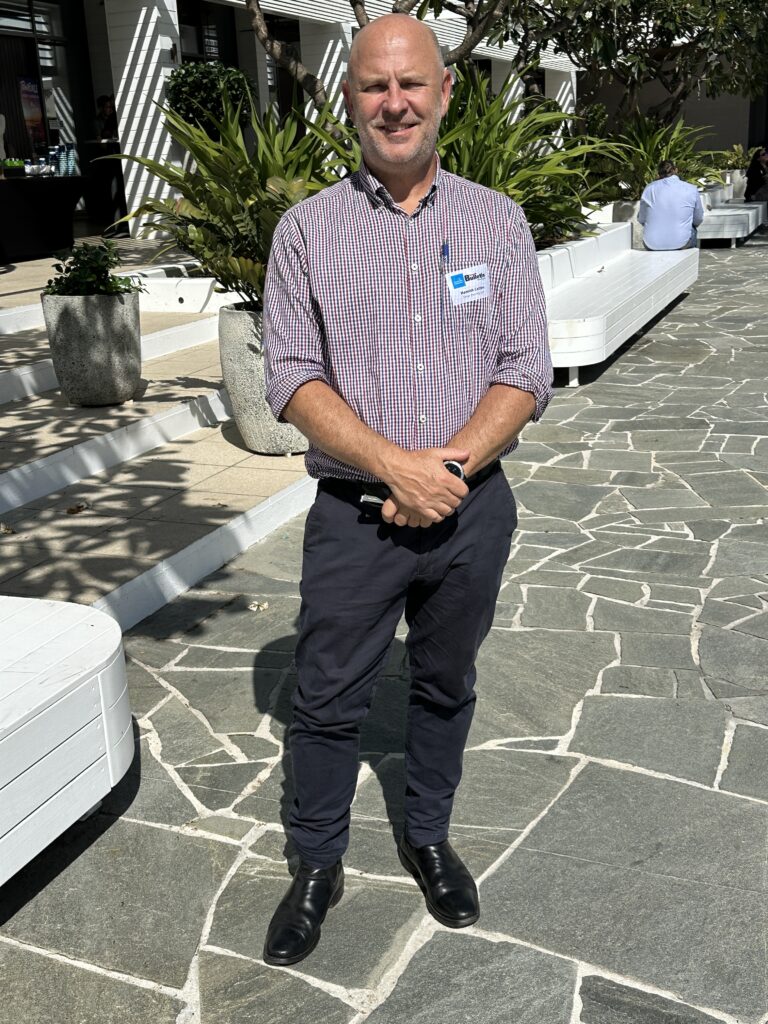
The sulphur burner was the first stage, Mr Collins said.
“Our strategy is twofold. So firstly, it’s to import sulphur, burn sulphur in a sulphur burner, (and) produce up to 180,000 tons of sulphuric acid (/year). We can modularise so initially 90,000, then scale, depending on off-takes.
“And then the second stage is to source mineral-rich pyrite, which has got critical minerals and roast using conventional roasters and produce critical minerals such as copper, cobalt and nickel as well as sulfuric acid. So that’s the stage two.
“Things don’t happen overly quickly, unfortunately, but we’re positioning ourselves to be basically the number one player for sulphuric acid in the area.”
The first stage development plan includes importing sulphur prill from Vancouver, Canada through Townsville Port then to Cloncurry via rail.
To date SMAC had funded the project development through private investors and require a further $500,000 to finalise a Sedgman mandated feasibility study, enabling a final investment decision in early 2026, Mr Collins said.
The second stage of the development plan processing locally mined pyrite ore for sulphur and minerals was ambitious but the process was conventional and suited the geological offering in North West Queensland, he said.
There were obvious sources in the Isa Carpentaria Minerals Province he said.
“Well, yes, but the realistic ones that we like – my old alma mater at Aeon Metals at Walford Creek. That’s a very big pyrite resource with copper, cobalt and nickel in it.
“And then, of course, there’s Evolution (Mining, Ernest Henry operation) tailings, which produces pyrite and cobalt and that’s a lot closer to our site.”
“Our strategy of a sulphur burner is just off-the-shelf. It’s not rocket science. And the second stage is conventional as well.”
The second stage would be a high mark commitment in the development of the mining industry in Cloncurry with Mr Collins allocating a three to five year time line.
The demand for sulphuric acid is forecast to reach more than two million tonnes/year with demand coming from phosphate operations, critical minerals like vanadium and gold processing.
Costings for the first stage were coming in at $70 million, Mr Collins said.