
The Mining and Energy Union is celebrating what it describes as the biggest win so far under new labour hire laws.
It followed a Fair Work Commission decision involving three Bowen Basin mines.
The decision covers labour hire workers employed by WorkPac, Chandler Macleod and BHP’s in-house Operations Services at Saraji, Peak Downs and Goonyella Riverside mines.
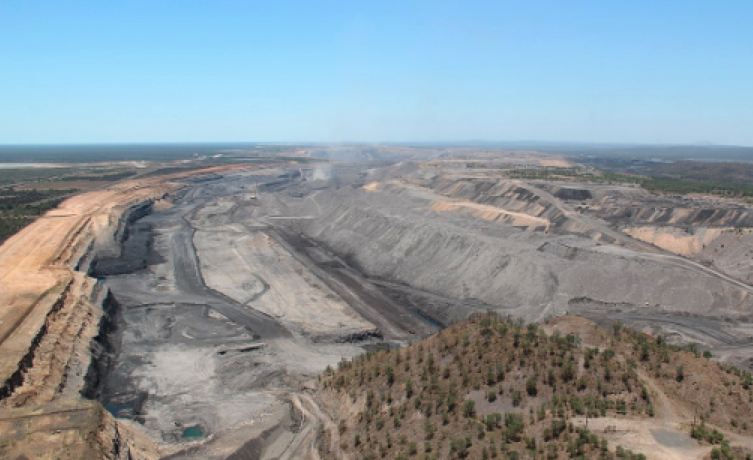
Main image: BMA Goonyella Riverside Mine
The MEU said it would lift pay for more than 2000 workers in Central Queensland and was a nail in the coffin for BHP Mitsubishi Alliance’s labour hire model.
“BHP has fought our ‘Same Job Same Pay’ applications tooth and nail, trying to protect the wage-cutting employment model it pioneered,” MEU Queensland President Mitch Hughes said.
“This decision reaffirms that BHP’s approach of using labour hire to undercut bargained wages is no longer lawful and it’s time to pay up.”
The Minerals Council of Australia (MCA) has voiced alarm over the decision, which it said created a precedent that would directly threaten thousands of specialised contractors in the mining sector.
MCA chief executive officer Tania Constable said the ruling confirmed what the MCA had long argued; that the government’s legislation went well beyond its original promise to target only the ‘limited circumstances’ where labour hire was used to deliberately undercut wages.
“Service contractors contribute essential expertise across a wide range of tasks – from underground development and maintenance to logistics and catering,” she said.
“It is vital that the government adopt a balanced and economically responsible approach aimed at ensuring Australia has a modern and adaptable workplace system that supports competitiveness, attracts investment, drives sustainable wage growth and contributes to national prosperity.
“Given this precedent goes beyond its own stated intentions and assurances, it is now incumbent on the government to find a legislative fix to address the ‘unintended consequence’ of all service contractors being captured.”
The Australian Resources & Energy Employer Association is also calling for amendments to ensure the ‘Same Job Same Pay’ legislation is targeted at clear cases where there is evidence that labour hire is being used to undermine, undercut or avoid the payment of enterprise agreement wages.
This case marked the first time an employer had sought to rely upon provisions that prevented the FWC from making orders where arrangements were for the provision of services rather than the supply of labour, AREEA chief executive Steve Knott said.
“Known as the ‘service contractor exemption’, these provisions were negotiated into the Same Job Same Pay laws by AREEA when it became clear in late 2023 that the Albanese Government had enough support in the Senate to legislate their long-held policy,” he said.
“To determine whether an arrangement is for the provision of a service or for the supply of labour, the FWC must consider several criteria including how involved the employer is in the performance of work, who supervises or controls employees, and which entity supplies the systems, equipment and structures of work.
“Today’s decision reflects the FWC’s considerations of how work is performed at the relevant BHP sites and its view that the BHP-OS arrangements do not satisfy the service contractor exemption.
“Having carefully reviewed the Full Bench’s conclusions, it’s clear the FWC is prevented from making orders covering genuine service contracting arrangements.
“This exemption will apply to any service business – from specialist mining contractors to cleaning and catering companies – where they demonstrate they supervise their own employees, control their performance of work, supply them with equipment, and other factors.”
Today’s decision is the MEU’s sixth successful Same Job Same Pay application in Queensland, and seventeenth nationally – delivering over $100 million in annual pay rises.
Ten MEU Same Job Same Pay applications remain before the Fair Work Commission.